.png)
Rewilding in the UK: Restoring Nature and Combating the Climate Crisis

Rewilding in the UK: Restoring Nature for the Future
The concept of rewilding is not new, but in recent decades it has become a key focus in wildlife and habitat conservation. At Rewilding Britain, rewilding is defined as “the large-scale restoration of ecosystems to the point where nature is allowed to take care of itself. It reinstates natural processes and, where appropriate, missing species – allowing them to shape the landscape and habitats within.”
According to the Cambridge Dictionary, rewilding is “the process of protecting an environment and returning it to its natural state, for example by bringing back wild animals that used to live there.” Essentially, it challenges human attempts to control and cultivate nature.
Why Rewilding Matters
Rewilding is one of the most effective tools to restore nature and tackle the climate crisis. Beyond climate benefits, it helps combat the ongoing decline of wildlife, with around 15% of UK species threatened with extinction.
Historically, the UK was once covered in temperate rainforests. Around 7,000 years ago, approximately 75% of the land was tree-covered. However, after World War One, tree coverage plummeted due to timber use in the war. Today, only 13% of UK land is forested.
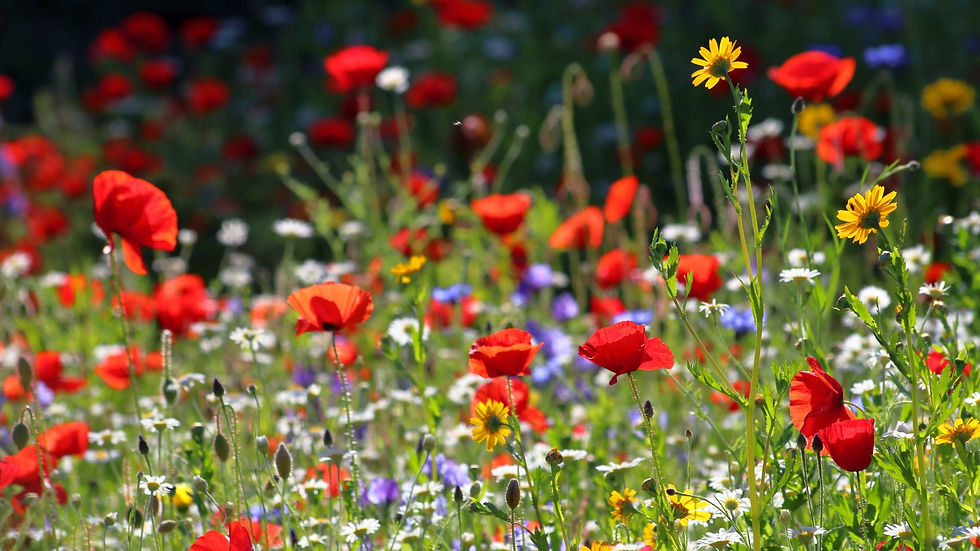
Rewilding is not just about planting trees—it’s about restoring wetlands, peatlands, bogs, flower meadows, and all other habitats that nature needs to thrive. These habitats play a crucial role in carbon absorption and storage, offering vital solutions to the climate crisis.
Beyond Trees: The Broader Impact of Rewilding
When many people hear “rewilding,” they immediately think of reintroducing species like wolves or bears. While species reintroduction is important, rewilding is broader and more innovative. It involves:
Restoring habitats on land and at sea
Reconnecting humans with nature
Encouraging people to become part of ecosystems rather than separate from them
In short, rewilding is as much about people as it is about nature.
Challenges and Barriers to Rewilding
Despite its benefits, rewilding faces challenges. Public perception can be a barrier—some people may be wary of wolves roaming nearby, while others embrace the return of smaller species like the large blue butterfly.
Stakeholder conflicts are also significant. The UK has some of the highest land ownership concentration in the world. For rewilding to succeed, landowners must be engaged. Releasing animals is only part of the solution; habitats must also be suitable and available.
Other considerations include:
Animal welfare: protecting released animals and managing their impact on prey and vegetation
Conflicts with livestock
Potential culling if populations grow too large
Political will: rewilding must be included in policies as a strategy to halt biodiversity loss and combat climate change
Rewilding: A Strategy for the Future
Despite challenges, rewilding offers a pathway to restore ecosystems, protect wildlife, and fight the climate crisis. By working in partnership with stakeholders and integrating policies that support natural processes, the UK can create landscapes where both humans and nature thrive.
Have you experienced the benefits of rewilding in your local area? Share your stories and help spread awareness of this transformative approach to conservation.
Call to Action
If you enjoyed this blog, give it a ‘like’ or watch our video version to see how rewilding is shaping nature across the UK.


Comments